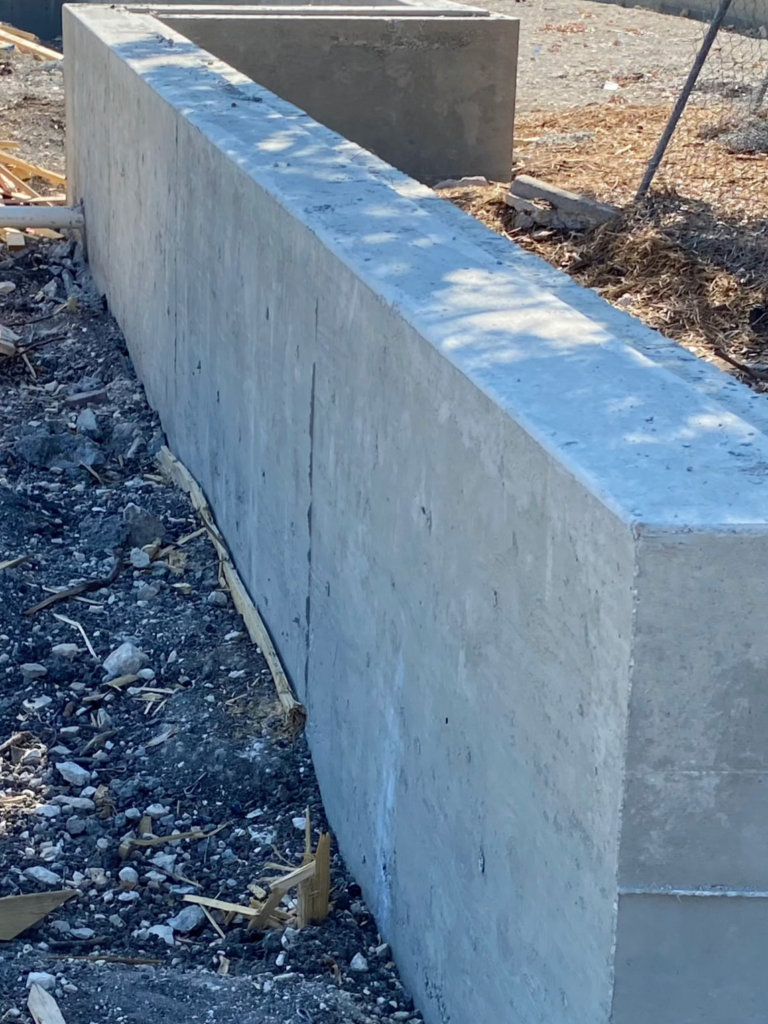
A retaining wall is more than just a decorative border; it is a vital structural element designed to hold back soil and manage changes in elevation. Whether you are battling erosion or looking to create usable tiered garden space, hiring an experienced retaining wall contractor ensures that your structure remains stable for decades.
Choosing the Right Type and Materials
The first step in any project is selecting the right design for your landscape’s needs. Gravity walls rely on their sheer weight to hold soil, while cantilevered walls use a reinforced base for extra strength. For larger industrial or commercial projects, a tilt wall construction contractor might even be consulted to handle massive vertical sections. Common materials include:
- Natural Stone:Timeless and durable.
- Concrete Blocks:Interlocking systems that offer great flexibility.
- Poured Concrete:Ideal for a sleek, modern look and maximum strength.
The Importance of Drainage and Construction
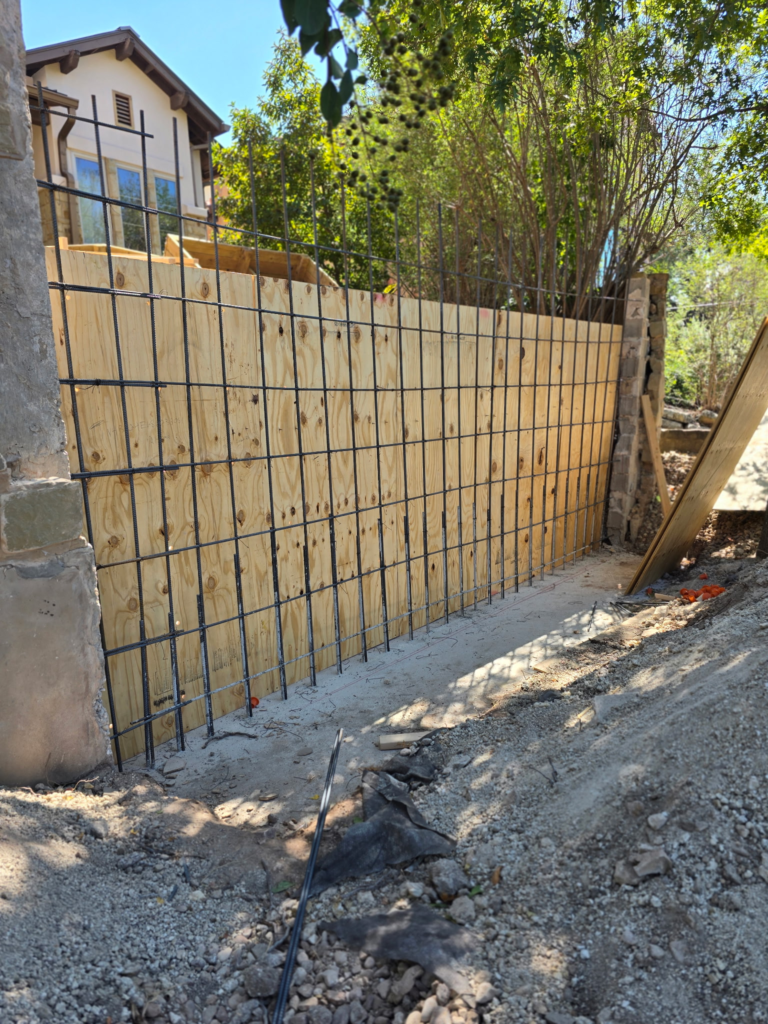
The number one cause of wall failure is hydrostatic pressure—water building up behind the wall. A professional retaining wall contractor in Round Rock will prioritize drainage solutions, such as installing perforated weep holes and gravel backfill. Without these, even the strongest wall can bow or collapse. Furthermore, the expertise of a tilt wall construction contractor is often sought when precision and heavy-duty reinforcement are required to withstand extreme soil pressure.
Cost Considerations and Maintenance
The cost of your wall depends on the height, the material chosen, and the complexity of the site. While it may be tempting to cut corners, investing in a reputable Retaining wall contractor in Pflugerville saves money in the long run by preventing costly structural repairs.
Once built, long-term maintenance is relatively simple. Periodically check for clogged drainage pipes and clear away debris. If you notice small cracks, a retaining wall contractor can perform minor tuck-pointing or sealing to keep the structure airtight and beautiful. By combining the right materials with the technical skills of a tilt wall construction contractor, you can enjoy a functional landscape that stands the test of time.
Secure Your Landscape with Hill Country Concrete
Protect your property from erosion and enhance your outdoor living space with a wall built to last. At Hill Country Concrete, we specialize in durable, high-quality retaining walls tailored to the Texas terrain.
Contact Hill Country Concrete today for a professional consultation and estimate!